After someone dies, a strange thing happens to their name. In the first days it is spoken constantly, in condolences and stories and phone calls. Then, gradually, it appears less. People stop saying it because they are afraid of causing pain. The family stops saying it because the conversation has moved on. And the grieving person is left with the odd sense that the name they most want to hear has become the hardest one to bring up.
Many people find comfort in giving that name a regular place in their lives. It is not about holding on in an unhealthy way. It is about letting a loved one stay part of ordinary days. This guide looks at four places a name can live, and which objects and habits help.
Place one: a name you carry
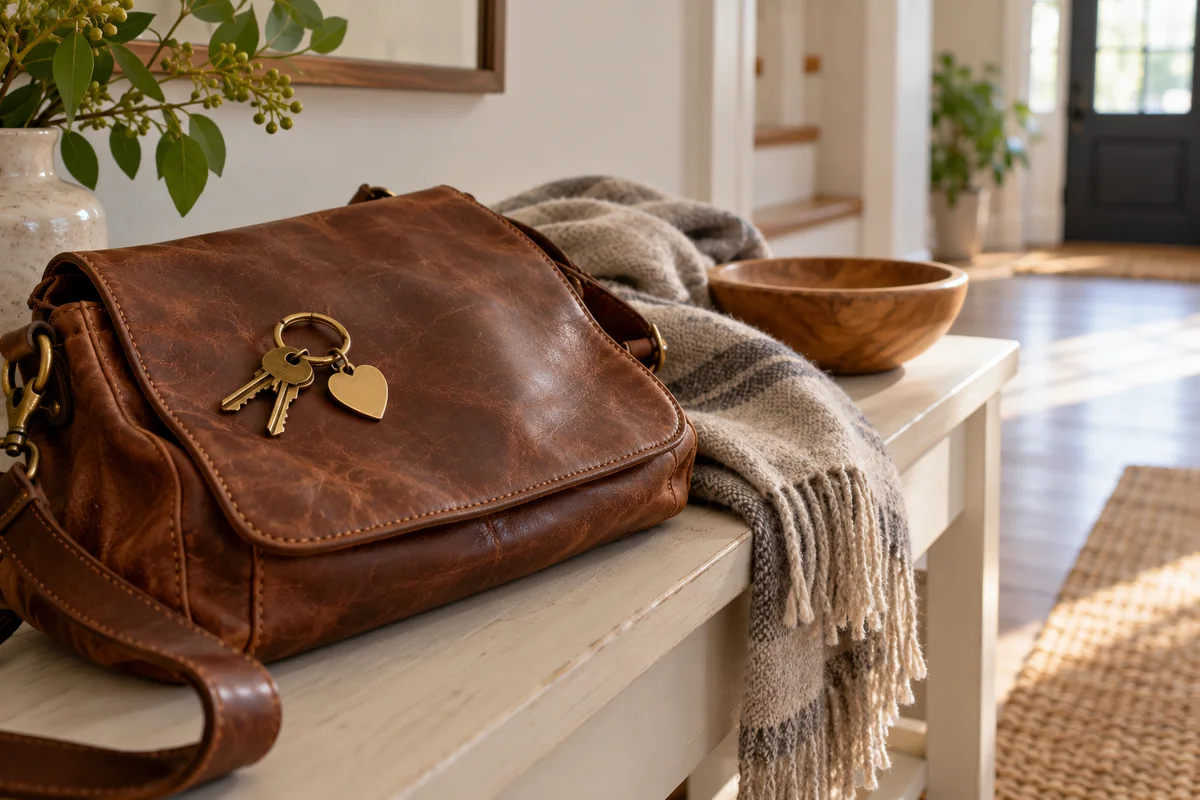
Some names are best kept close to the body, in a pocket, on a bag or on a set of keys. A carried name is private. Nobody needs to ask about it, and nobody needs to see it. You know it is there, and you can touch it when you want to.
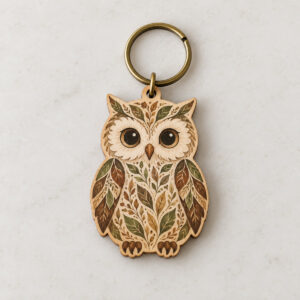
Little Owl Custom Wooden Keychain is another design to consider for this gift idea. For related guidance, see keychains collection.
Place two: a name you hang
A hung name belongs to a place. It reappears in the same spot every year, in the same corner, on the same branch. That repetition is a comfort in itself, because it turns remembrance into something that happens automatically.
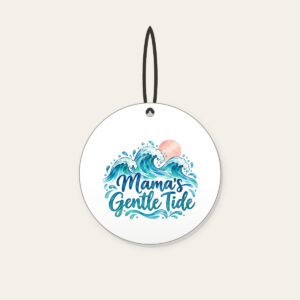
Mama’s Gentle Tide Ornament is another design to consider for this gift idea. For related guidance, see memorial ornaments for the holidays and ornaments collection.
Place three: a name you say
This is the simplest place and often the most powerful. A name that is spoken stays alive in a way no object can match. The difficulty is that saying a name out loud can feel awkward, especially when other people avoid it.
A few habits make it easier.
- Say it first. If you want a name to be part of conversations, be the one who brings it up. People often follow your lead with relief.
- Attach it to a story. “Dad always said…” or “Grandma would have loved this” turns a name into a memory instead of a silence.
- Make a small ritual. Raise a glass at dinner on a birthday. Say the name at the start of a holiday meal. Rituals give people a place to join in.
- Invite others to share. Ask a family member to tell a favorite story. Most people are glad to be asked.
Place four: a name you write
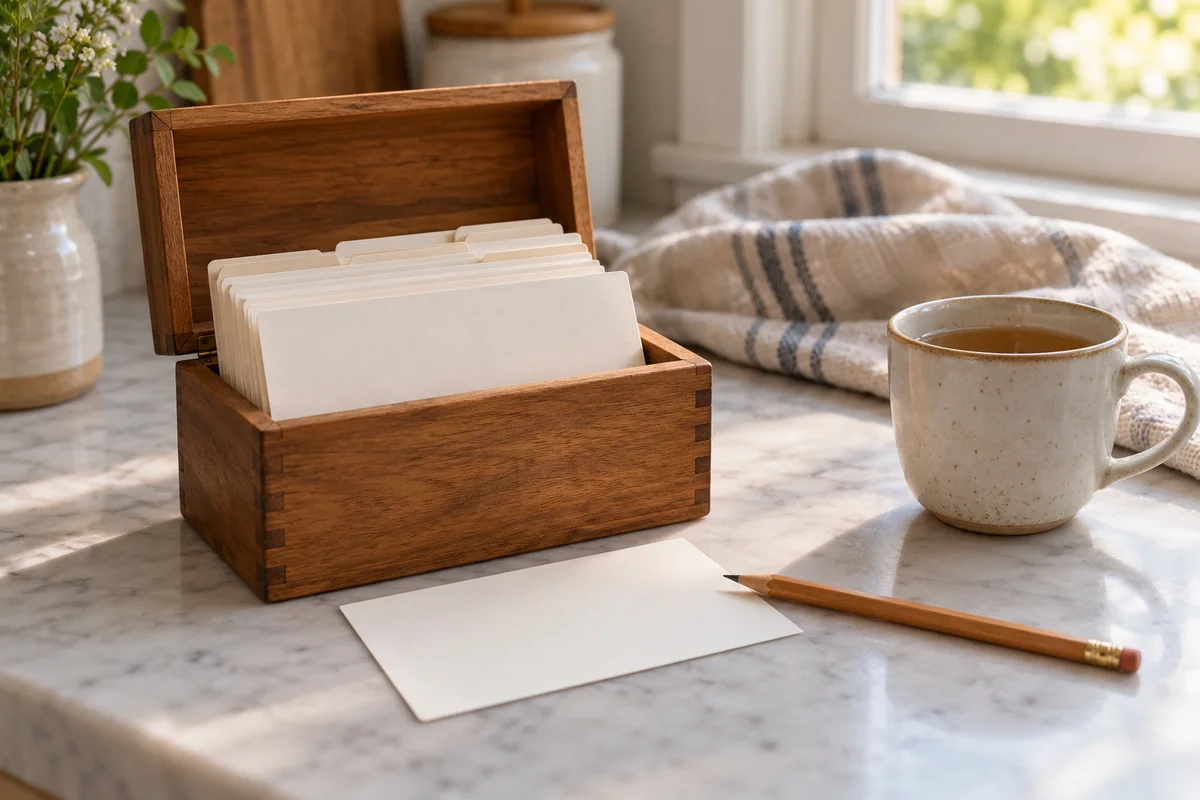
Handwriting is a form of presence. Many families treasure a recipe card, a note in the margin of a book or a signature on a birthday card, long after the paper has yellowed. If you have such an object, treat it carefully. If you do not, you can start your own tradition of writing the name down.
- In a recipe. When you cook something that belonged to a person, write their name at the top of the card.
- In a journal. A few lines on a date that matters, with the name written plainly.
- In a card. Write to the person you miss on a birthday or anniversary. Keep the card in a box. Over time you build a record.
- In a gift tag. When you give a gift to someone else in the family, mention the person who would have loved to be part of it.
Passing a name to children
Children ask honest questions, and the name of someone who has died is often one of them. “Who was she?” “Why is that on the tree?” “Can I hold it?” These moments are an opportunity, not a problem. A child who learns a name early grows up with the sense that the person belonged to the family and still does.
Keep your answers simple and true. You do not need to explain everything about death. You can say “That is my grandmother’s name. She loved to bake, and she would have liked you very much.” Then let the child hold the object if they want to, or hang the ornament, or add a drawing to the box. If the child is the person’s namesake, a short story about how the name was chosen can make them feel part of something larger than themselves.
Some families also begin a small tradition for the younger generation: each December, a child places the ornament on the tree and asks one question about the person. Over the years, the questions change, and the child slowly collects a portrait of someone they never met.
Small habits through the year
A name does not have to wait for December. These habits cost almost nothing and fit into ordinary weeks.
- Make their favorite meal once a year and say who it is for.
- Visit a place that mattered to them, and take a moment to say the name there.
- Keep a photograph where you will see it every day, and glance at it on purpose.
- Pass on one of their sayings, expressions or jokes to someone younger.
None of these are required. They are options for the days when you want the name close and are not sure how.
Choosing a name that feels right to carry
Not every name is the one the family uses. A few questions help you decide what to put on a keepsake.
- What did people actually call them? Use that, even if it differs from the legal name.
- Is there a nickname that belongs to a specific person? If it was only a grandchild’s name for them, it may be the most meaningful choice.
- Do you want a year or a date? Some people do. Others prefer the name alone, because it stays timeless.
- Would others recognize it? If you plan to share the keepsake, choose wording the whole family will understand.
Always confirm spelling with someone who knows. The personalization questions page and the personalization guide explain how orders work, and each product page lists exactly what can be changed.
When someone else is grieving and you want to help
If you are not the person who lost someone, but you want to help them keep a name close, there are a few simple ways to do it.
- Say the name. The easiest and kindest thing you can do. Say it in a message, a card or a conversation.
- Share a memory. A story the family has not heard is a gift.
- Be gentle about objects. A keepsake is a personal choice. Offer one only if you know the family well, and make it easy to say no.
- Remember the date. A short message on a birthday or anniversary is often more meaningful than anything you could buy.
These gift ideas include made-to-order designs. Choosing finished artwork does not mean an item is in stock or ready for immediate delivery. Some selections use finished artwork; only choose custom text where the listing offers it. Check each product’s options and the shipping information before planning when to give it. The photographs illustrate gift-giving ideas; use each product’s listing to see its own design.
Little Owl Custom Wooden Keychain
- Free gift
$16.95In stock
Mama's Gentle Tide Ceramic Ornament
- Free gift
$19.95In stock
For gentle ideas on offering comfort, our guide to sympathy gifts that say “I remember” covers gifts, timing and wording, and the gift guide has more themes to browse. For timing questions about an order, the shipping page is the right source.
FAQ
Is it healthy to keep a name close for years?
Many people find that remembering someone in small, regular ways is a normal part of life. If grief is making daily life hard, a counselor or support group can help, and there is no shame in asking.
Can a keychain include the name of someone who has passed?
That depends on the product options. Read the product page carefully to see what the personalization fields accept, and choose wording that feels right to the family.
What if the family disagrees about a keepsake?
It happens. Choose something small and private for yourself, and let others decide what they want. A keepsake does not have to be shared to matter.
Should I avoid saying the name around someone who is grieving?
Usually not. Most grieving people want to hear the name of the person they lost. If you are unsure, say it gently, and follow the other person’s lead.