The card is the part of a gift that people tend to leave until the last minute. The present is wrapped, the ribbon is tied, and then you are sitting with a pen over a small piece of paper and a blank mind. Everything you can think of sounds either too stiff or too gushing.
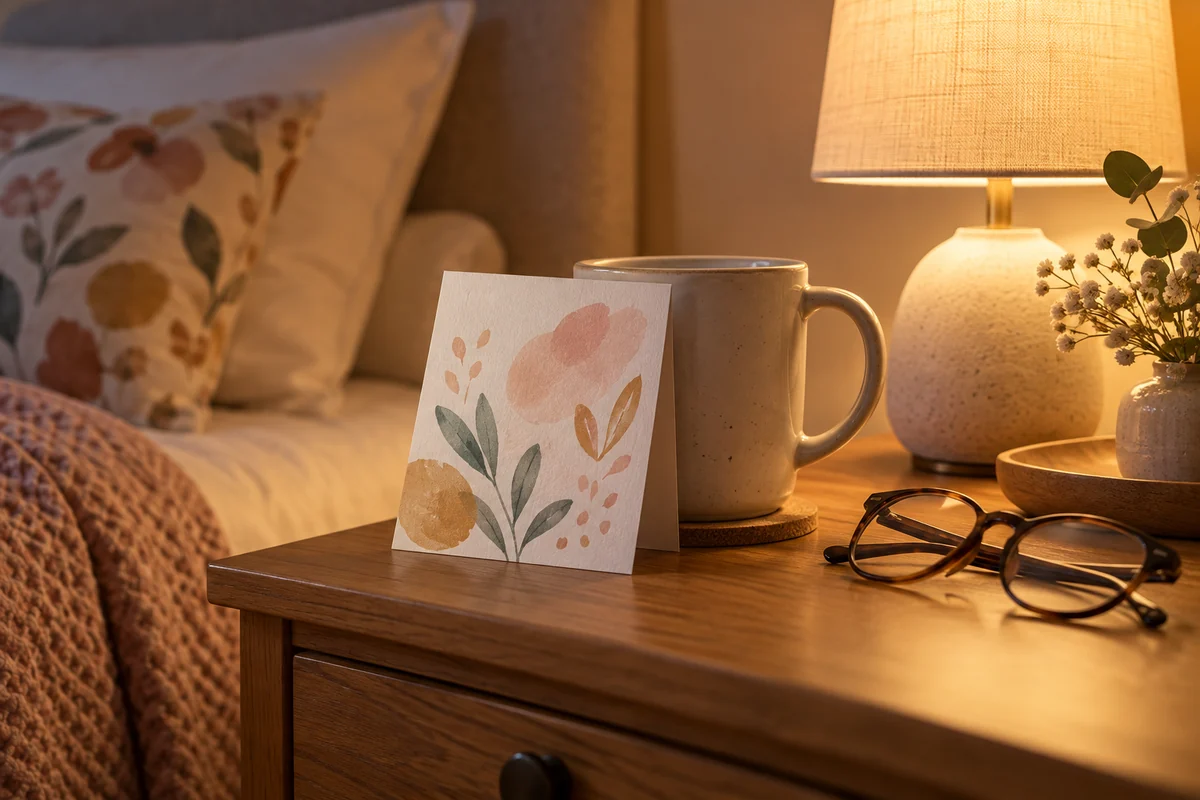
The good news is that a card does not need to be clever. It needs to sound like you, in a tone that suits the relationship. Our post on writing a note to go with it covers the general approach. This guide is more specific: a short frame you can use anywhere, then sample lines organized by relationship, and a few things to leave out.
A frame of three short sentences
When in doubt, use three sentences, each with a job.
- One about them. Something you noticed, appreciate or remember.
- One about the gift. Why you chose it, or what you hope they will do with it.
- One about the future. A small wish, an invitation or a plain thank you.
Here is how it looks in practice: “You made my first week at the office feel easy. This mug is for the mornings you are running late. Coffee is on me next time.” Three sentences, nothing fancy, and the receiver knows exactly what you mean.
You can bend the order, but try to keep each sentence short. A card that fits on one side is easier to read, easier to keep, and far less likely to wander into something you did not mean to say.
For a close friend
With a close friend, honesty and a bit of humor are the best tools. You are allowed to sound the way you sound when you are together.
- “You are the person I text first when something good happens. This is a small thank you for being that person back.”
- “I saw this and heard your laugh. Happy birthday to the funniest person I know.”
- “Here is something for the days when it all feels like too much. I am one message away.”
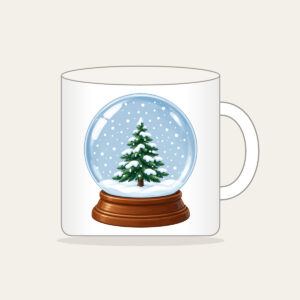
Tiny Pine Snow Globe Mug. Inside a clear round globe, one small pine stands alone while white flakes swirl and settle around its branches. The artwork keeps its focus tight and quiet, trading clutter for a single wintry moment that recalls the pause before a snowfall ends and the world turns still.
For a coworker
Keep the tone warm and professional, and avoid anything that would be awkward if it were read aloud in the office. Specific thanks work better than general praise.
- “Thank you for covering for me last month. I noticed, and I am grateful.”
- “Your calm in busy weeks makes everyone else calmer. Enjoy a quiet cup.”
- “Congratulations on the new role. The team will miss you down the hall.”
Avoid personal remarks about age, appearance or relationships. If you are giving a group gift, have everyone sign, and let one person add a single line on behalf of the team. Our guide to setting a fair group gift budget covers the planning around it.
For a teacher
Teachers receive many cards, and the ones that stand out are specific. A line about something the teacher did, however small, is worth more than a polished compliment.
- “Thank you for noticing that I needed more time with fractions, and for never making me feel behind.”
- “You made reading feel like a place we wanted to go. Thank you for this year.”
- “From all of us, with thanks for your patience, your humor and your red pens.”
If the card is coming from a child, let the child write as much of it as possible, even if the spelling is rough. A teacher will keep a wobbly line from a seven-year-old far longer than a perfect one from an adult.
These gift ideas include made-to-order designs. Choosing finished artwork does not mean an item is in stock or ready for immediate delivery. Some selections use finished artwork; only choose custom text where the listing offers it. Check each product’s options and the shipping information before planning when to give it. The photographs illustrate gift-giving ideas; use each product’s listing to see its own design.
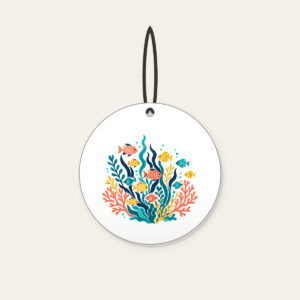
Tropical Fish School and Seaweed on Navy Ceramic Ornament
- Free gift
$19.95In stock
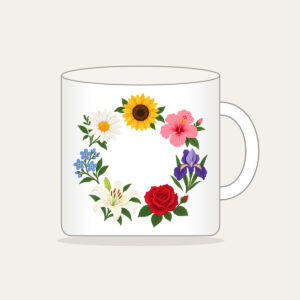
Weekly Seven Flower Border Mug
- Free gift
$21.95In stock
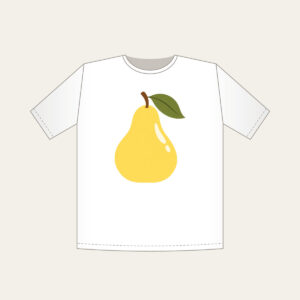
Butter Yellow Pear with Olive Leaf T-Shirt
- Free gift
$24.95In stock
Tiny Pine Snow Globe Mug
- Free gift
$21.95In stock
For a neighbor
Neighbors sit in a pleasant middle ground, close enough to share a fence and distant enough to keep a little formality. The best cards are friendly and brief.
- “Thank you for keeping an eye on the house while we were away. It meant a lot.”
- “Welcome to the street. If you need to borrow anything, you know where we are.”
- “Happy holidays from next door. Come over for a cup whenever you like.”
Include a first name, and sign with yours. If you do not know the neighbor well, a card is a gentle introduction, and the gift can be as small as an ornament or a candle.
For a partner
This is where people most often over-write or under-write. Either extreme feels like a performance. Aim for one true thing said plainly.
- “I still think about the first time you made me laugh in a quiet room.”
- “You make ordinary days feel like they are worth remembering.”
- “This is for the person who knows how I take my coffee, and everything else.”
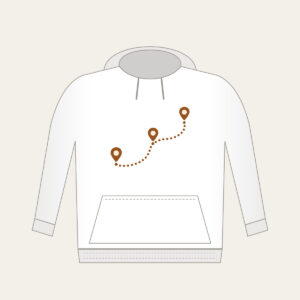
Dotted Route Linking Map Pins Hoodie. A dotted route line wanders across a warm brown ground, linking small cream map pins one by one. Each pin marks a stop and each dot a step, so the pattern reads like a travel diary reduced to its simplest lines.
For a grandparent
Grandparents read every word, and they keep the cards. Write by hand if you can, and make it easy to read.
- “Your kitchen is my favorite place in the world. This mug is for the tea you pour me every Sunday.”
- “Thank you for the stories. I am still learning from them.”
- “Every time you drink from this, I hope you feel how much we love you.”
Weekly Seven Flower Border Mug. Seven small flowers, each one different, line up around the edge to form a border, with an open centre left empty on purpose. Counting them off feels like running a finger down the days of the week: one bloom for each, all in a tidy, cheerful ring. Butter Yellow Pear with Olive Leaf T-Shirt. One stylized pear in butter yellow stands alone, topped with a single olive leaf and a small cream highlight on its shoulder. The outline is clean and rounded, so it reads as friendly and graphic rather than fussy. Tropical Fish School and Seaweed on Navy Ornament. Little fish in coral, yellow and teal swim in a loose school, weaving between waving strands of seaweed on a dark navy ground. The colours light up against the deep background, and the whole scene is bubbly, playful and full of movement.

What to leave out
A few things are better left unwritten, however well meant.
- Jokes about age, weight or work. They can sting even when they are kind.
- Apologies for the gift. Say what you like about it instead.
- Comparisons to other people. Even a flattering one can land awkwardly.
- Promises you may not keep. “Let us catch up soon” is only kind if you will make a plan.
- Anything you would not say face to face. A card is permanent, and the receiver can read it again.
Some practical tips for the card itself
Write a draft on scrap paper first, so your best handwriting goes onto the card itself. Read it aloud once, which helps you spot lines that sound unnatural. Check every name against how the person writes it, because a misspelled name in a card hurts more than one on a product. And keep the card with the gift, since cards that get separated tend to be lost.
If you are placing a personalized order, remember that the words on the product itself are entered in fields next to a preview. The card is the place for anything that does not fit there. Our guide to writing the words for a personalized gift covers the printed side, and the personalization steps show where the fields live.
FAQ
How long should a gift card message be?
Two to four sentences is plenty. Short messages are easier to write and easier to remember.
Should I write by hand?
If you can, yes. Handwriting makes even a few words feel personal. If you must type, choose a simple, readable design.
Can I have a message printed inside the package?
Not at the moment. Write your own card and place it with the gift, or add it when you hand the gift over.
What if I do not know the person well?
Keep it simple and warm: a thank you, a welcome or a good wish. A first name and a kind line is enough.
Where can I get help with the gift itself?
Visit the help center or use the gift finder.