For many people, a pet is simply a member of the family, and a gift that honors that bond often gets the biggest reaction of anything they unwrap. It is also the kind of gift where small details matter most. An owner can spot a misspelled name from across the room, and a gift that gets the name exactly right feels like it was made by someone who truly knows them.
This guide is about those small details: which name to use, what to do when there is more than one animal, how to use a year, how to keep a joke from missing and how to check your work before ordering. It focuses on what you can control, which is the wording, and it is meant to be used alongside the gift ideas in our gifts for pet lovers guide.
Start with the name they actually use
Pets collect nicknames. A dog might be registered as Winston, called Winnie around the house and Mister at the vet. A cat adopted as Luna might answer to Lulu, Loo and “hey, you.” Before you personalize anything, choose the name the owner says most naturally, the one that comes out when they walk in the door.
How to find out without spoiling the surprise
- Ask a partner, a roommate or a family member in passing rather than asking the owner directly.
- Look at a message thread, a photo caption or a social post where they talk about the pet.
- Notice what they call the animal when they are not trying to impress anyone.
- If you are still unsure, choose the shortest, most common version of the name.
Spelling is the part that cannot be guessed
Pet names often have spellings that look wrong until you see them on a vet card. Is it Kiwi or Kiwy? Bailey, Baylee or Bayleigh? Owners care about this more than you might expect, because the spelling was chosen deliberately, often after a long debate over dinner.
Check the spelling in at least one reliable place, such as a caption the owner wrote themselves. Pay attention to capital letters, hyphens and accents too. If the animal has a double name, like Mr. Whiskers or Sunny Day, make sure you know whether it is one name or two, because the design will treat them differently.

Everyday pieces that suit a pet’s name
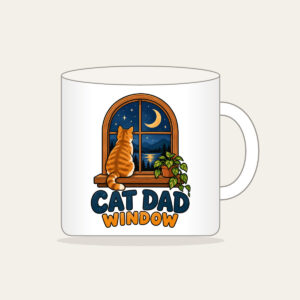
Cat Dad Window Mug. CAT DAD WINDOW Mug features line-art artwork showing a seated cat seen from behind looking through a simple arched window at a crescent moon. The lettering reads “CAT DAD WINDOW”. For related guidance, see mug collection.
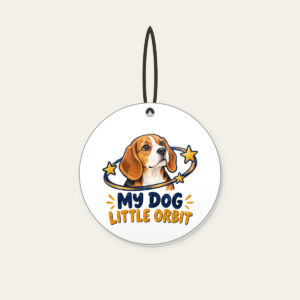
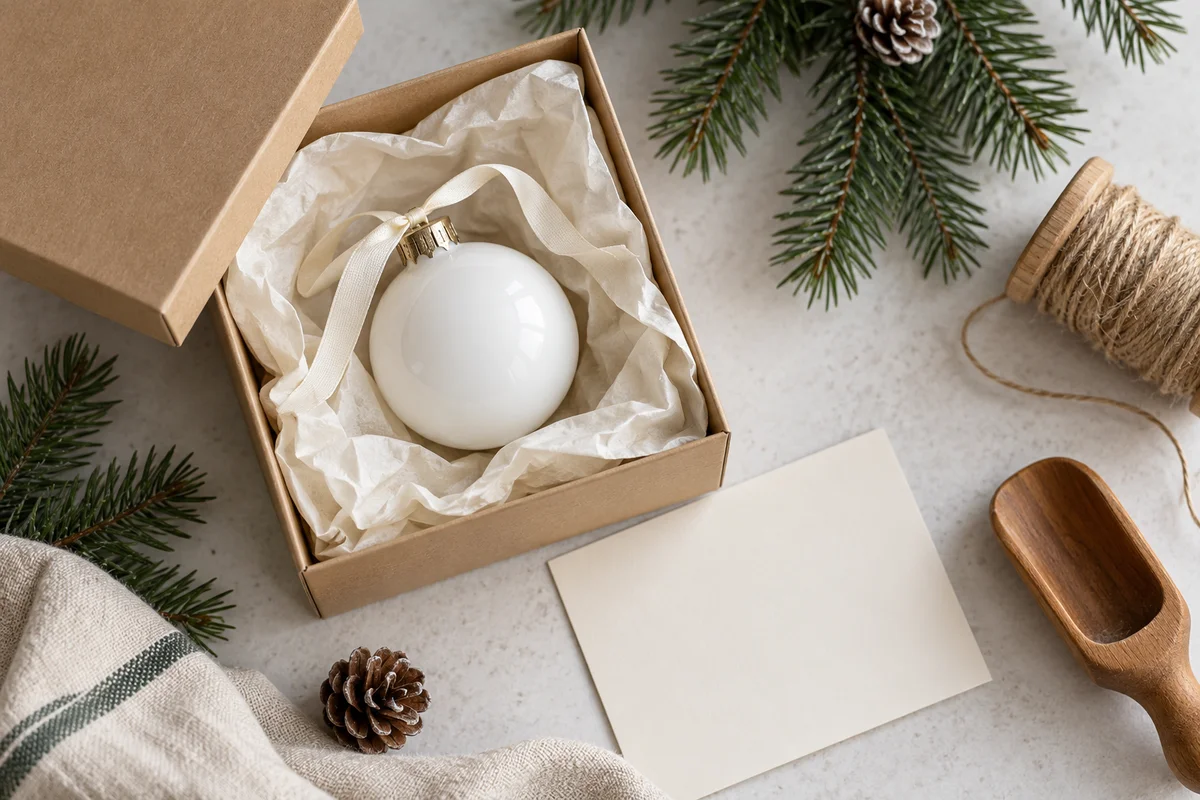
My Dog Little Orbit Ornament is another design to consider for this gift idea. For related guidance, see ornaments.
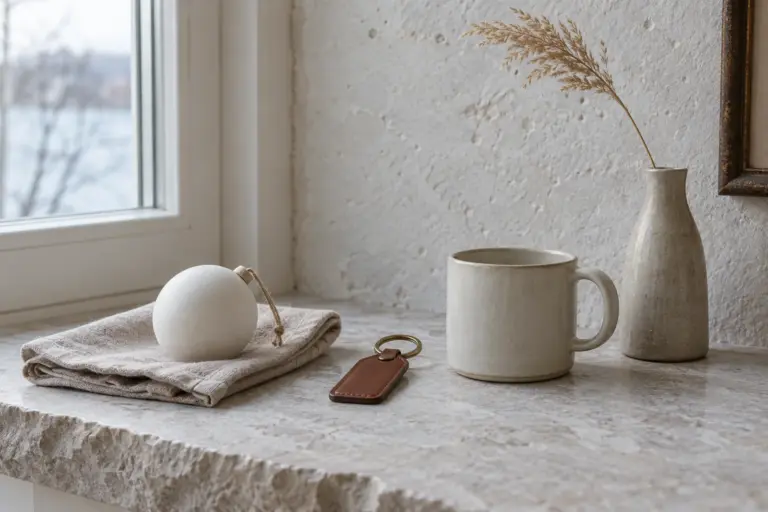
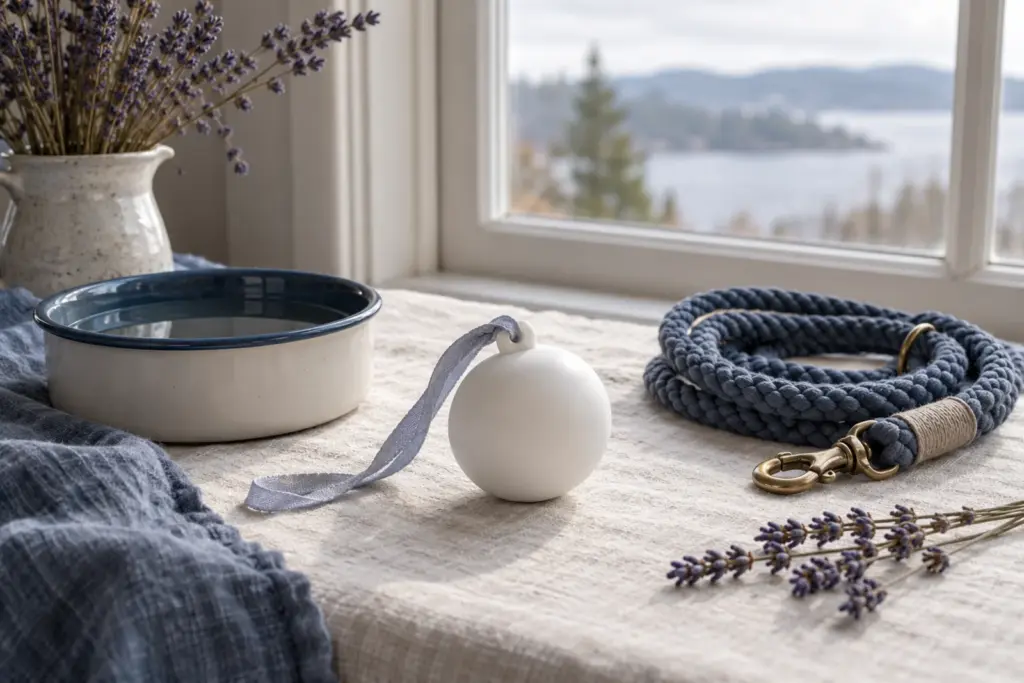
These gift ideas include made-to-order designs. Choosing finished artwork does not mean an item is in stock or ready for immediate delivery. Some selections use finished artwork; only choose custom text where the listing offers it. Check each product’s options and the shipping information before planning when to give it. The photographs illustrate gift-giving ideas; use each product’s listing to see its own design.
My Dog Little Orbit Ceramic Ornament
- Free gift
$19.95In stock
Cat Dad Window Mug
- Free gift
$21.95In stock
Think about the whole household
A gift for one pet lover rarely involves just one pet. Before you start, consider the whole picture.
- Several pets. Count how many names you want, then check the product page to see how many fit. A longer list is not always better. Sometimes the two most-loved names on the item and a second small gift for the others work best.
- Different species. Not every design suits every type of animal, so read the product page carefully before you order.
- Shared custody. If a pet lives between two homes, such as a dog who splits the week between divorced parents, two small gifts are kinder than one large one.
- Family members who disagree. If two people in the same house use different nicknames, use the one on the pet’s tag. It is the most neutral choice.
Using the year well
A year is a quiet way to personalize. It can mean the year the animal was born, the year they came home or the year of a first holiday together. Each of these tells a slightly different story, so choose deliberately.
If you know the adoption date or the first-holiday year, use it. If you are unsure, skip it. A wrong year is harder to forgive than a missing one, and the name alone is a complete gift. When you are not sure what mattered to the family, ask gently. Most people are glad to be asked, because it shows you care about the story and not only about the animal.
Wording: keep it short, keep it kind
Names, dates, initials and short phrases are what get personalized, and the items have limited room. A name and a four-word phrase will read better than a paragraph. A few approaches that tend to work:
- Use the name alone when you want something elegant.
- Add a two- or three-word phrase when you want some humor, like “chief of naps.”
- Keep jokes warm. Poking fun at the animal’s habits is fine, but not at the owner’s expense.
- Avoid anything that depends on an inside joke the person who sees the item will not understand.
Matching the gift to the household’s sense of humor
Some pet owners wear their silliness proudly. They talk to the dog in a special voice, they announce the cat’s opinions at dinner and they would love a gift that says so. Others keep their feelings quieter and prefer a plain name and a small detail. Reading that difference is half the work of personalizing well.
A quick test helps. Think about how the person introduces the animal. If they say, “This is Biscuit, and he is the boss here,” a playful line suits them. If they say, “This is Biscuit,” and nothing more, a name alone will be perfect. You can always add the humor in the card instead of on the item, which gives you a second chance to match the mood.
Be careful with jokes about behavior that the owner is still working on. A dog who barks at every delivery truck may be a funny story at a party and a real source of stress at home. Stick to affection, and leave the training jokes to the owner.

A note on memorial gifts
If the pet has passed away, treat the gift with extra gentleness. A short, warm message is better than a joke, and it is often kinder to avoid dates unless you know the owner would like them. Use the name the owner used for the animal, keep the design simple and let the card carry the words you would say in person.
Our journal has more thoughts on giving during difficult moments in gentle gifts for remembrance. It is worth reading before you choose anything, even if you already know what you want to give.
Pair the personalization with a handwritten line
Whatever fits on the item, the card has room for the rest. Use it for the story behind the name, the memory that made you choose the gift or a short note about what the animal means to the household. A line like “Walter has made your house louder and better” does more than any extra word on the product, and it lets the printed design stay clean and simple.
One last check before you order
Before you check out, do a final pass. Compare the name against your source. Look at the preview, which shows how the design will look before ordering, and read it out loud. Pets are individuals, and the gift is at its best when it clearly belongs to this one.
The how to personalize page walks through names, dates and initials, and the personalization questions page answers common questions about what can be added. If you are planning for a particular date, leave yourself plenty of time and check the shipping page too.
FAQ
Which name should I use if the pet has several nicknames?
Use the one the owner says most naturally, usually the everyday name rather than the registered one. If you are unsure, the shortest common version is the safest choice.
Should I add the year to a pet gift?
Only if you are sure of it. The year the pet came home is a lovely detail on an ornament, but a name alone is a complete gift.
How many pet names can fit on one item?
Options differ per product, so check the product page and the preview. If the list is long, consider choosing the most important names and giving a second small gift.
Is it okay to personalize a gift for someone who just lost a pet?
Yes, with care. Keep the wording short and warm, skip dates unless you know they would welcome them, and write a personal card to go with it.