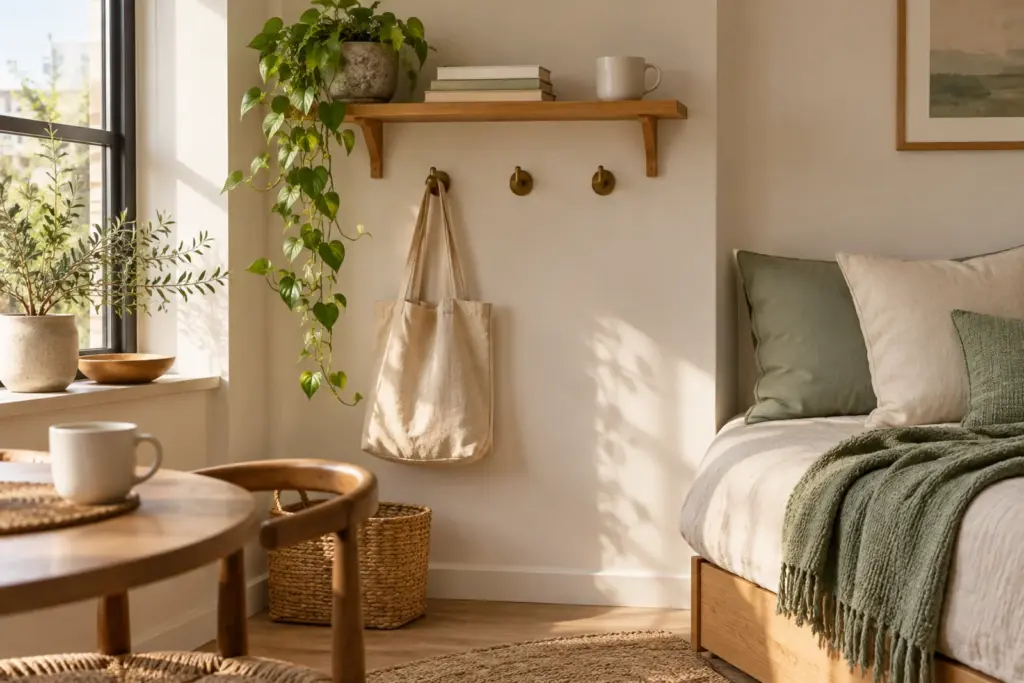
Some people live in studios, shared rooms, dorms or homes where every shelf is already full. They are not minimalists by temperament, only by square footage, and every new object has to answer a hard question: where will this go? A gift for them needs to earn its place, and the good news is that small gifts can carry a lot of meaning when you choose them with the space in mind.
This guide is about choosing a keepsake for someone with no room to spare. It starts with questions about the space rather than the taste, moves through what makes an object easy to live with and ends with a few ways of giving a gift so that it adds joy rather than clutter.
Ask about the space, not the taste
Instead of asking what someone likes, ask how their space works. Do they have a bare wall, an empty windowsill, a hook by the door or a crowded desk? You will learn more about what fits from the answer than from a list of favorite colors.
If you cannot ask without spoiling the surprise, look for clues. Visit once with the question in the back of your mind: where do the keys go, what sits on the nightstand, which corner is still empty? People who live in small places have usually made strong decisions about every surface, and those decisions are your guide.
- A bare wall or door. Anything that hangs is already halfway to being welcome.
- A shared shelf. Things that stack, nest or sit flat are easier to place.
- A bag or a keyring. People who have no room at home often carry their keepsakes with them.
- Nothing at all. Then choose something that lives in a drawer and comes out for a season.
Choose something that does a job
Items with a daily purpose are easier to keep than purely decorative ones. A gift that holds, hangs or replaces something they already use takes up no extra room, because it simply takes the place of something else.
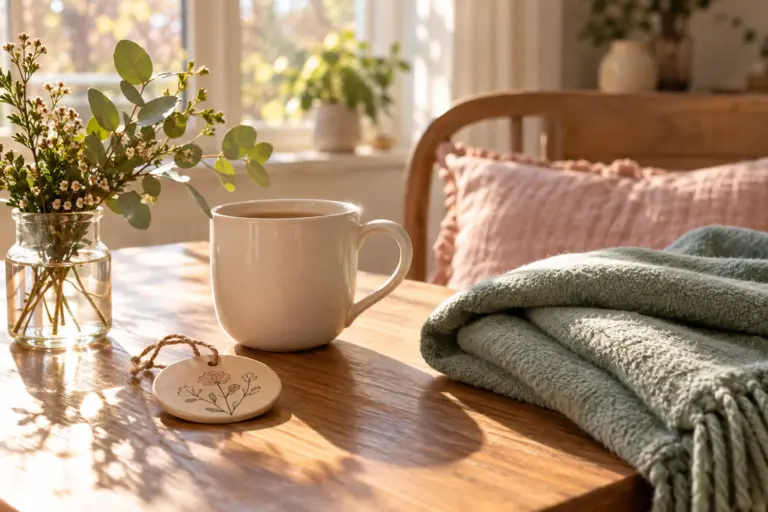
That is why drinkware tends to work in a small kitchen. Someone who owns one favorite cup is likely to use a better one, and the old cup quietly retires. If you go this way, look at the mugs and tumblers, and keep the personalization short so the object feels like a replacement rather than an addition.
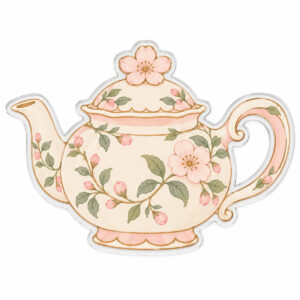
Tiny Teapot Acrylic Magnet is another design to consider for this gift idea.
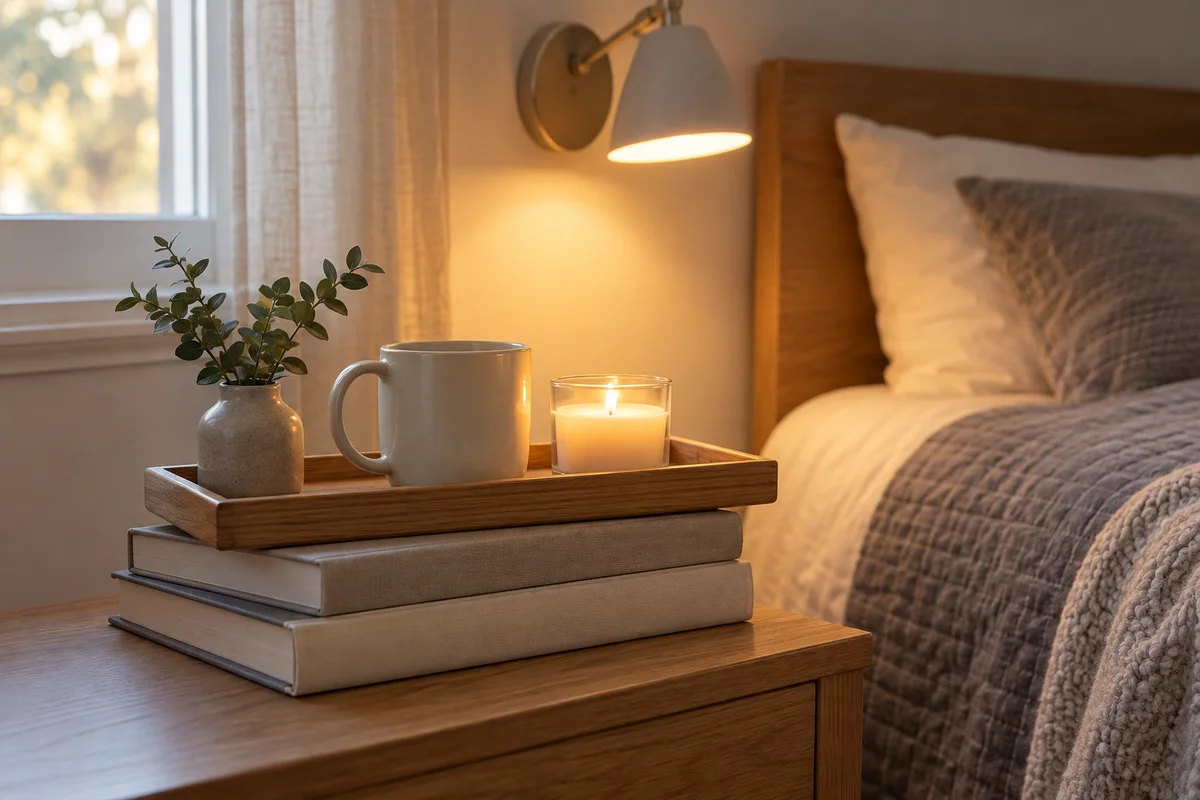
Think flat, hanging and portable
Objects that sit flat or hang from a hook are often easier to place than bulky ones. Before you buy anything, imagine where it could live, and picture it in the tightest spot in the home. If it still works there, it will work anywhere.
Things that hang
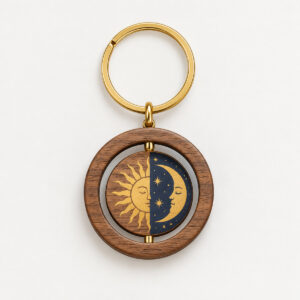
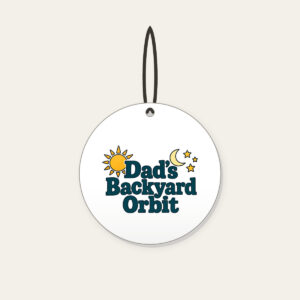
Dad’s Backyard Orbit Ornament is another design to consider for this gift idea. Sun and Moon Spinning Wood Keychain is another design to consider for this gift idea. For related guidance, see keychains.
Things that live in a box
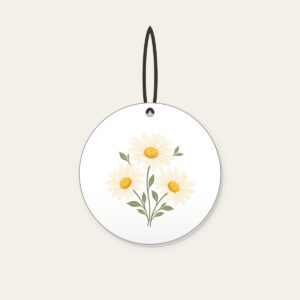
Three Daisies in Butter Yellow Ornament. Three daisies stand together in cream and butter yellow, their sage stems and tiny leaves leaning in as if sharing a secret. Plain and cheerful, the trio feels like the first warm day of spring. Dad’s Backyard Orbit Ornament is another design to consider for this gift idea.
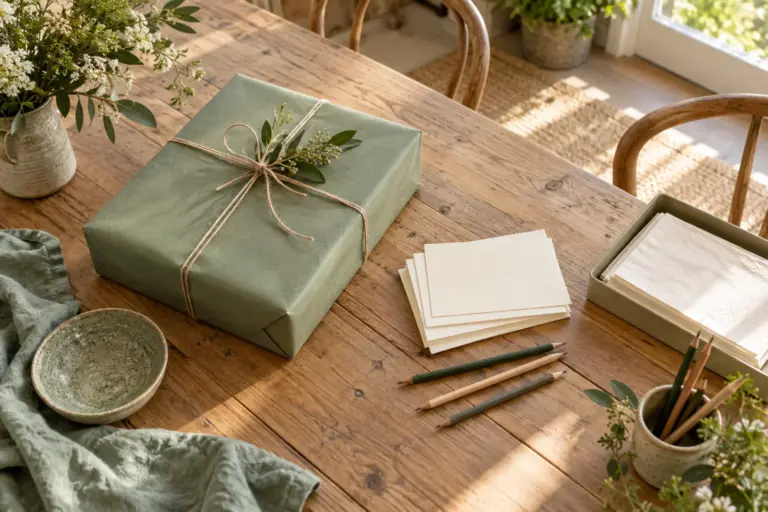
These gift ideas include made-to-order designs. Choosing finished artwork does not mean an item is in stock or ready for immediate delivery. Some selections use finished artwork; only choose custom text where the listing offers it. Check each product’s options and the shipping information before planning when to give it. The photographs illustrate gift-giving ideas; use each product’s listing to see its own design.
Three Daisies in Butter Yellow Ceramic Ornament
- Free gift
$19.95In stock
Sun and Moon Spinning Wood Keychain
- Free gift
$16.95In stock
Dad's Backyard Orbit Ceramic Ornament
- Free gift
$19.95In stock
Things that go with them
If the person moves often, a keepsake that can be carried is kinder than one that must be stored. A keyring, a tumbler or a small box that fits in a bag will survive another move far more gracefully than anything that needs its own corner.
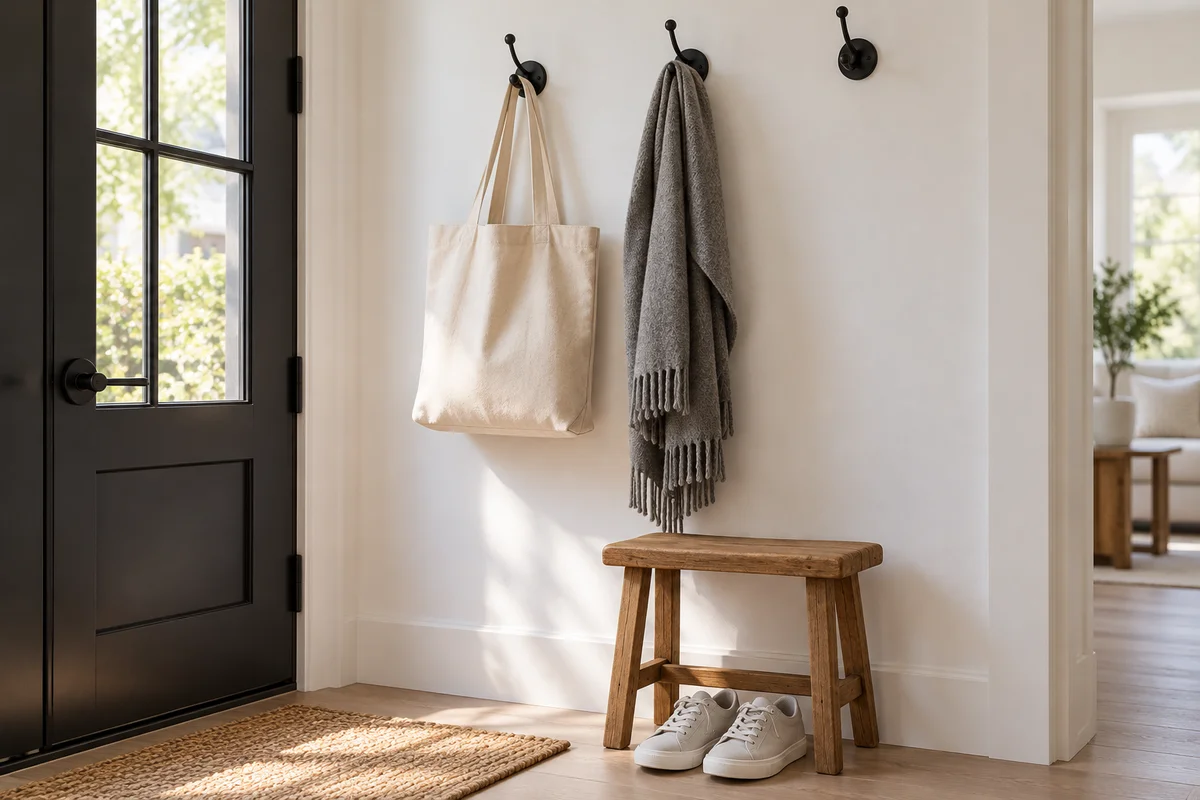
Every one of these choices follows the same idea: let the home set the rules, then find the gift that fits them. When the object suits the space, the person never has to make room for it, and a gift that asks for nothing is far more welcome than one that demands a place.
Keep personalization simple
On a small item, a long message can look cramped. A name, a date or a single word usually reads better. Simplicity also helps the gift blend into a space with a lot going on around it.
Names, dates, initials and short phrases are what gets personalized, and the preview shows how the design will look before you order. Use it. A design that looks fine at full screen can feel crowded at the size of the real object, so check it small and read it from arm’s length. Our page on text, dates or initials goes through which choice suits which kind of object.
Initials are especially good for small spaces, because they take up almost no visual room while still saying clearly that the item belongs to someone. A single date works the same way: it is quiet, and it carries a whole story for the two people who know what it means.
Offer permission, not pressure
People in small spaces sometimes feel guilty about gifts they cannot keep on display. They worry that the giver will visit and look for the object, and they feel they must find a place for it even when no place exists.
Take that weight off in the note. Say the person should feel free to display it, store it or pass it along. A line like “keep it on the shelf, in a drawer or give it to someone who will love it” sounds generous rather than careless, and people tend to keep things more happily when they are not obliged to.
If the person tends to refuse presents altogether, the guide to choosing a gift for someone who says they want nothing shares more ways to keep the gesture light.
Think in layers and seasons
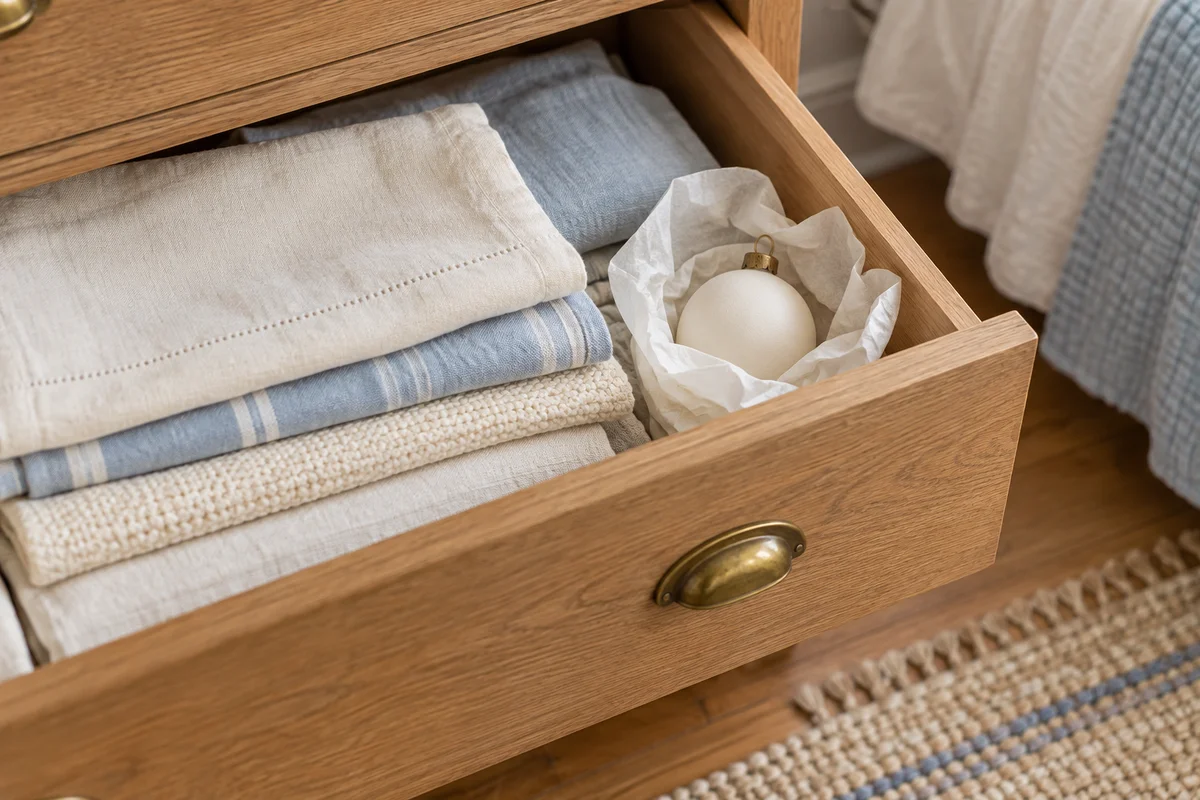
A small keepsake can serve more than one purpose. It might hold something, stay in a drawer most of the year and come out for a particular season. Rotating items rather than displaying everything at once is a habit many people in small homes already use, and a gift that suits that habit is easy to enjoy.
It also means the gift feels special each time it reappears, rather than like permanent clutter. An ornament comes out in December and feels new. A candle lights on a winter evening and is gone by spring. A keychain moves from a bag to a hook as life changes. None of them asks for permanent space, and all of them keep the meaning.
When you are not sure, pick something small, give the person full freedom to decide where it lives, and let them know there is no pressure to display it. For homes that have just changed, such as a first apartment or a dorm room, the post on housewarming gifts that fit the new home adds more ideas.
A quick checklist before you order
- Where would this live in the tightest corner of their home?
- Does it replace something they already use, or add something new?
- Is the wording short enough to read at a glance?
- Have you checked the preview and spelled every name as they spell it?
- Does your note give permission to store, rotate or pass it along?
For more ideas sorted by person and occasion, see the gift guide or browse the keepsakes.
FAQ
What is a good keepsake for someone with a tiny apartment?
Something that does a job, hangs on a hook or lives in a box most of the year: an ornament, a keychain, a candle or a mug that replaces one they already have.
Should I personalize a gift for a small space?
A little. A name, a date or a few initials keeps the object meaningful without making it busy. Check the preview before ordering to see how the design looks on the real item.
How do I give a gift to someone who has no room for it?
Choose something that replaces or stores easily, and add a note saying they are free to display it, keep it in a drawer or pass it on. Permission removes the guilt.
What if the person moves often?
Choose something portable, like a keychain or an ornament, that can travel in a bag or a box and does not need a place of its own wherever they land.