

When someone loses a pet, the people around them often freeze. The loss is real, but it is the kind that some people still feel they should not make a fuss about, and the grieving person can sense that hesitation. A house that used to have a certain sound in it goes quiet. A bowl stays by the door. A lead hangs on a hook for weeks because nobody can move it.
If you want to send something, the goal is not to fix the sadness. It is to show that you knew this animal was a real member of the household and that you are not embarrassed by how much it mattered. This guide is about doing that gently: what to say, what to leave unsaid, and which keepsakes tend to be welcome rather than heavy.
Start with what you do not say
The most common mistakes come from kind intentions. People rush to offer a silver lining, and the grieving person hears it as a request to feel better quickly. Phrases like “at least it was quick,” “you can always get another” and “it was only a pet” are well meant and can still sting.
You do not need a clever sentence. A plain one is stronger: “I am so sorry about Biscuit. I know how much you loved them.” Using the name matters. It tells the person that you remember the animal as an individual and not as a category. If you did not know the pet well, you can say that honestly and still be kind: “I never got to meet them, but I could see what they meant to you.”
Let them set the pace
Grief does not follow a timetable, and gifts do not need to arrive the day after. Some people want a gentle gesture within days. Others are not ready for a memorial piece for months, and a gift that arrives too early can feel like pressure to move toward acceptance.
A useful test is to ask whether the gift requires anything from the person. A card with a short note requires nothing. A candle sits quietly until they choose to light it. A framed piece asks them to find a place on the wall, which can be a lovely step when they are ready and a painful one when they are not. If you are unsure, send comfort first and keep the memorial for later.

Gentle comforts that ask nothing
Quiet Garden Heart Memorial Stone is another design to consider for this gift idea.
Pair it with a few lines in your own handwriting and nothing else. You do not need to write much. Mention the pet by name, say one thing you remember, and stop there. A line such as “I still think about how he met everyone at the door” will be read many times and kept in a drawer.
Keepsakes that honor the name
When the person is ready, a keepsake that carries the pet’s name can be deeply meaningful. The choice often depends on how they remember the animal.
- For wall art: the Rainbow Bridge Pet Memorial Canvas comes in 8×12, 12×16 and 16×24 inches, so you can choose something that fits a small hallway shelf or a larger wall.
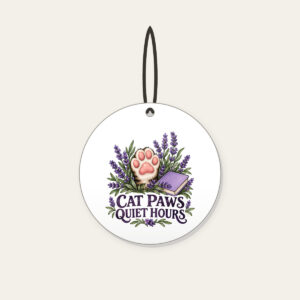
- Cat Paws Quiet Hours Ornament is another design to consider for this gift idea.
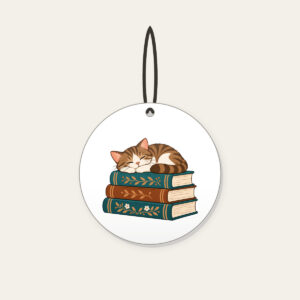
- Cat Napping on Three Books Ornament. Warm brown bindings and teal spines make a cozy little tower, and on top of it a cat has dropped into a deep nap. Paws tucked and tail wrapped round, it looks entirely pleased with its spot. The drawing is shaped to sit in a corner, with the curve of the cat leading the eye down the stack.
Be thoughtful about the animal. The dog ornament is made for dogs, so if the pet was a cat, a rabbit or a bird, a different piece is a better fit, and the canvas or the cardinal ornament is likely to suit.
These gift ideas include made-to-order designs. Choosing finished artwork does not mean an item is in stock or ready for immediate delivery. Some selections use finished artwork; only choose custom text where the listing offers it. Check each product’s options and the shipping information before planning when to give it. The photographs illustrate gift-giving ideas; use each product’s listing to see its own design.
Rainbow Bridge Pet Memorial Canvas
- Free gift
From $42.95In stock
Cat Paws Quiet Hours Ceramic Ornament
- Free gift
$19.95In stock
Cat Napping on Three Books Ceramic Ornament
- Free gift
$19.95In stock
Quiet Garden Heart Memorial Stone
- Free gift
$24.95In stock


Getting the details exactly right
With a memorial piece, accuracy matters more than usual. A misspelled name on a gift for someone who is grieving is a small wound that is hard to undo. Ask a mutual friend, check a recent social post or look at a photo of a vet card to confirm the spelling, and write it down before you start.
Think about the year, too. If you are including one, decide whether it is the year of birth, the year of adoption or the year of passing, and use the one the owner would choose. Many people prefer the year the pet joined the family. When you are unsure, leave the year off. A name alone is often enough, and it cannot be wrong in the way a date can.
The how to personalize page explains how names and short lines are handled, and it is worth reading before you order. If a product page includes a preview, read it slowly, letter by letter.

Writing the note
The note matters as much as the gift, and it is also the part most people dread. Keep it short and use the name. You do not need to be poetic. Three sentences are plenty: one to say you are sorry, one to share a memory and one to say you are here.
A few openings that tend to land well:
- “I have been thinking about you and Luna all week.”
- “I will always remember the way he waited by the window for you.”
- “You do not have to reply to this. I just wanted you to know I am thinking of you.”
That last line is useful. It removes the pressure to respond, which is a quiet kindness for someone who is tired and does not want to perform gratitude.

Small practical kindnesses that matter just as much
A gift is only one way to show up. In the days after a loss, the practical details can be harder than the sadness itself: the bowls that still sit by the door, the walk that nobody takes at the usual hour, the vet paperwork and the question of what to do with the bed. Offering to help with any of this is often worth more than an object.
You might offer to take a walk at the time the dog used to go out, so the hour is not empty. You might bring a simple meal, so the person does not have to think about dinner. Or you might simply sit with them for an evening and let them talk, or not talk, without trying to move the conversation on. These gestures cost very little and are the kind of thing people remember for years.
When the gift is for a child, or a whole family
Children grieve pets deeply and often differently. A young person may want to talk about the animal constantly or may go silent. Avoid explaining or reframing the loss for them. Instead, a gift that includes the pet’s name and can sit in a bedroom or on a shelf lets them keep the memory in their own way.
If the loss is a family one, choose something that belongs to the home and not to one person. A shared ornament, a canvas for the living room or a candle for the evening table includes everyone. If you want more ideas for the days after a loss, the guide to gifts for a friend going through a hard time offers more on practical care, and you can browse the canvas collection for more memorial wall art.
If you are still not sure what to send, the gift finder can help you narrow the choice, and for someone close to you who is a dog lover, the guide to gifts for pet lovers may be worth a look later, when the time is right.
FAQ
How soon should I send something after a pet has died?
A card or message can go within days. A memorial keepsake is often better after the first rush of grief has settled, though there is no fixed rule. If you are unsure, send a note now and the keepsake later.
Is it strange to send a gift for a pet?
No. For many people, a pet is a daily companion and a core part of the household. A gift that uses the animal’s name shows respect for that relationship.
What if I never met the pet?
Say so honestly and focus on the person. You can write that you could tell how much the animal meant to them, and choose a comfort gift such as a candle rather than a highly specific memorial.
What if I am not sure the person wants a reminder?
Choose something they can place or put away on their own terms, and include a line that tells them no reply is needed. Questions about an order can go to the help page.