A photo can turn an ordinary object into something no one else owns. It can also turn into a small disappointment if the picture was chosen in a hurry, at midnight, from whatever happened to be on the top of your camera roll. The difference between a gift that looks intentional and one that looks accidental is rarely about money. It is about a few checks you make before you commit.
This article is about those checks: how to judge a picture, what to look for in the light and the framing, and how to think about the people who appear in it. It is also honest about the limits. Not every gift works from a photograph, and not every beloved photograph is technically good. Knowing both things will help you choose well.
Start with the feeling, not the file
Before you open your photo library, ask what you want the person to feel when they pick up the gift. Seen? Teased in a loving way? Reminded of a particular summer? The answer helps you search with a purpose instead of scrolling until something looks nice.
It also helps you notice when a photo is not the best vehicle. Plenty of personalized gifts work through other details: a name, a date, an initial or a short phrase. Those are the things that get personalized across the shop, and the options differ from one product to the next, so the product page is always the place to see what a particular item can do. If a design is built around names and dates, you can still carry the feeling of a photograph into the gift by choosing the wording that describes it, such as the nickname you used on that trip or the year the picture was taken.
Think of the photo as one possible route to the same destination: a gift that clearly belongs to one person. If you cannot find a picture that does the job, that is not a failure. It is a signal to try a different route.
Pick a picture with one clear subject
The photos that translate best to gifts have one obvious focus, usually a face or a pair of faces, or a single pet doing something characteristic. Busy backgrounds, crowds and tiny figures standing far away tend to get lost once an image is shown at a smaller size.
A quick test: hold your phone at arm’s length and look at the picture for two seconds. Can you still tell what it is about? If the subject disappears into the scenery at that distance, it will probably disappear on an object too.
Faces and groups
Group photos are tempting because everybody is there, but every extra face makes each one smaller. If the group is large, consider whether two or three people in the picture could stand in for the whole family. The gift will read more clearly, and the rest of the family can show up in the wording instead.
Pets and action shots
Pets rarely sit still, so their best photos are often a little imperfect. That is fine, as long as the animal is the clear center of the image. A dog mid-leap with its ears flying is a better subject than a dog three yards away on a lawn.
Judge the light and the sharpness honestly
A photo taken in even, gentle light, without harsh shadows across the face or glare on the glasses, nearly always works better than one taken in a dim room or against a bright window. Look for pictures with soft shadows and a clear difference between the subject and its background.
Zoom in on the face or the key detail before you decide. If it looks soft at full size, it will not get sharper when it is enlarged or placed on a different surface. Motion blur is the most common culprit: a hand mid-wave, a child mid-giggle, a tail mid-wag. Sometimes that blur is the charm, and sometimes it is only blur, so decide which one you are looking at.
- Look for the eyes. If the eyes are sharp, a picture feels sharp. If they are soft, the whole image feels soft.
- Check the edges of the subject. Clean edges against the background help a picture hold together at small sizes.
- Avoid heavy filters. Strong filters and effects can look dramatic on a phone and muddy on an object.
- Compare two versions. If you took several shots of the same moment, look at them side by side. The best one is rarely the first one you notice.
Leave room around the edges
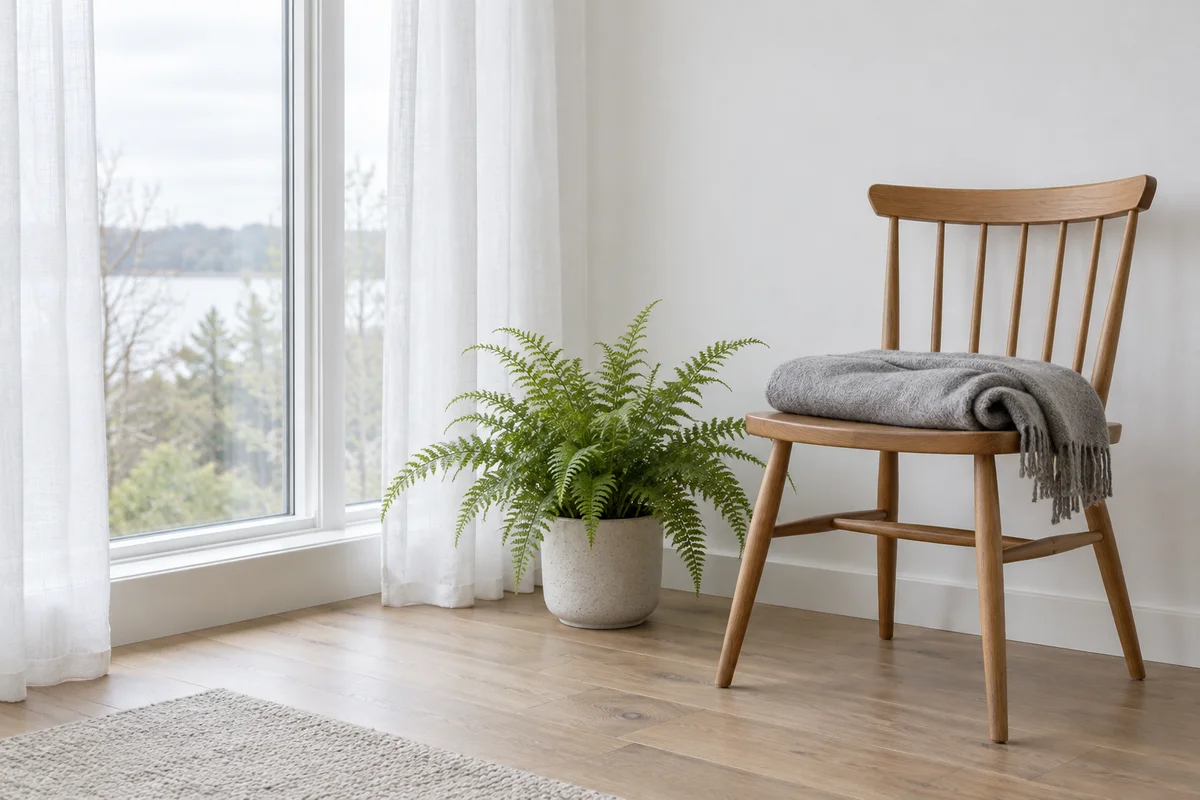
Objects and prints often crop an image to fit their shape, so keep the important part toward the middle. A photo where heads touch the edge of the frame can lose something when it is trimmed, and a photo where the subject is pressed into a corner can end up half cut off.
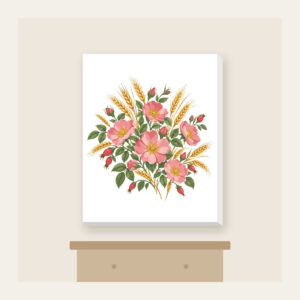
Prairie Roses and Wheat Stalks Canvas Print. Prairie roses open among tall wheat stalks, repeating across the artwork in rose, gold and sage. The pairing feels rustic and romantic at once: wild flowers in full bloom, with a ripened harvest standing behind them in the late sun.
These gift ideas include made-to-order designs. Choosing finished artwork does not mean an item is in stock or ready for immediate delivery. Some selections use finished artwork; only choose custom text where the listing offers it. Check each product’s options and the shipping information before planning when to give it. The photographs illustrate gift-giving ideas; use each product’s listing to see its own design.
Prairie Roses and Wheat Stalks Canvas Print
- Free gift
$39.95In stock
Anniversary Woven Ribbons Ceramic Ornament
- Free gift
$19.95In stock
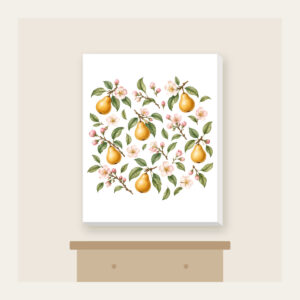
Golden Pears and Blush Blossoms Canvas Print
- Free gift
$39.95In stock
Think about who is in the picture
This is the check people skip, and it deserves a moment. Ask yourself whether everyone shown would be glad to see themselves on a gift. Some people are private about their image. A photo from a few years ago might include someone with whom the relationship has changed. A candid shot can be flattering to you and awkward for the person caught in it.
When you are in doubt, choose a picture that is both meaningful and uncontroversial. A gift should make the recipient feel warm, not wonder how everyone else in the picture feels about it. And if the recipient is a child, think about whether they will still want to see that picture in a few years, because kids’ tastes in self-image change faster than anyone’s.
When someone is missing from the picture
Sometimes the photo that matters most is one where somebody is no longer around. Those choices carry more weight and deserve more time. If you are choosing for someone who is grieving, our guide to gentle gifts for remembrance talks through the tone, and a small, quiet gift is often better than a large one.
Use the best original you can find
Photos sent through messaging apps are often shrunk to travel quickly, and the smaller version is the one that ends up in your chat history. If you can, go back to the original on the device where the picture was taken, or ask the person who took it to send the original file rather than a screenshot of it.
A larger, cleaner file gives you more options and avoids a grainy, blocky look. It also lets you make a better crop. If the item you are considering accepts a photo, the product page is where you will see how to provide one, and what it expects. If the product page does not mention a photo, assume the design works through names, dates, initials or short phrases instead, and shape your idea accordingly.
When the photo you love is not technically perfect
Sometimes the photo that means the most is not the best photograph. It is slightly dark, a little soft, taken on an old phone at a birthday dinner. If it carries real meaning, it may still be the right choice, provided you accept its limits and do not expect it to look like a studio portrait.
A useful habit is to pick a second option as a backup and compare the two side by side. Meaning counts for a lot, but a clear image usually looks better, so weigh the two honestly before you decide. You might find that the technically better photo is also the one that makes you smile, or you might confirm that the blurry one is the one you cannot do without.
Anniversary Woven Ribbons Ornament is another design to consider for this gift idea. Golden Pears and Blush Blossoms Canvas Print. Small golden pears and blush blossoms scatter among sage leaves, leaving generous white space around each one. The spacing keeps the pattern light and breezy, as though the orchard had been drawn in a few quick, happy strokes on a spring morning.
Check the preview, then ask someone else to look
Whatever you decide, look at any preview carefully before you order, and then ask another person to look at it too. Fresh eyes catch what you have stopped noticing: a misspelled name, an awkward crop, a detail pushed too close to an edge. Our guide to the preview and what to check walks through a routine you can follow in a few minutes.
For help with the other personal details that can sit alongside a picture, the page on how to personalize and our article on choosing between text, dates and initials are good places to continue.
FAQ
What makes a good photo for a personalized gift?
A clear subject, even light, a sharp focus on the face or the key detail, and a little room around the edges. If you can read the picture at a glance on your phone, it has a good chance of reading well on an object.
Can every product use a photo?
No. Options differ from one product to the next, and many designs work through names, dates, initials and short phrases. Check the product page to see what a particular item offers.
Is a slightly blurry photo ever acceptable?
Sometimes, if the meaning is strong and you accept that it will look soft. Compare it with a backup option side by side and weigh the two honestly before you decide.
Should I ask permission before using a photo of someone else?
It is a kind thing to do, especially when the picture shows someone who might be private about their image. When in doubt, choose a picture that is meaningful and uncontroversial.